How to Reduce Screen Time: Measure First, Then Climb the Ladder
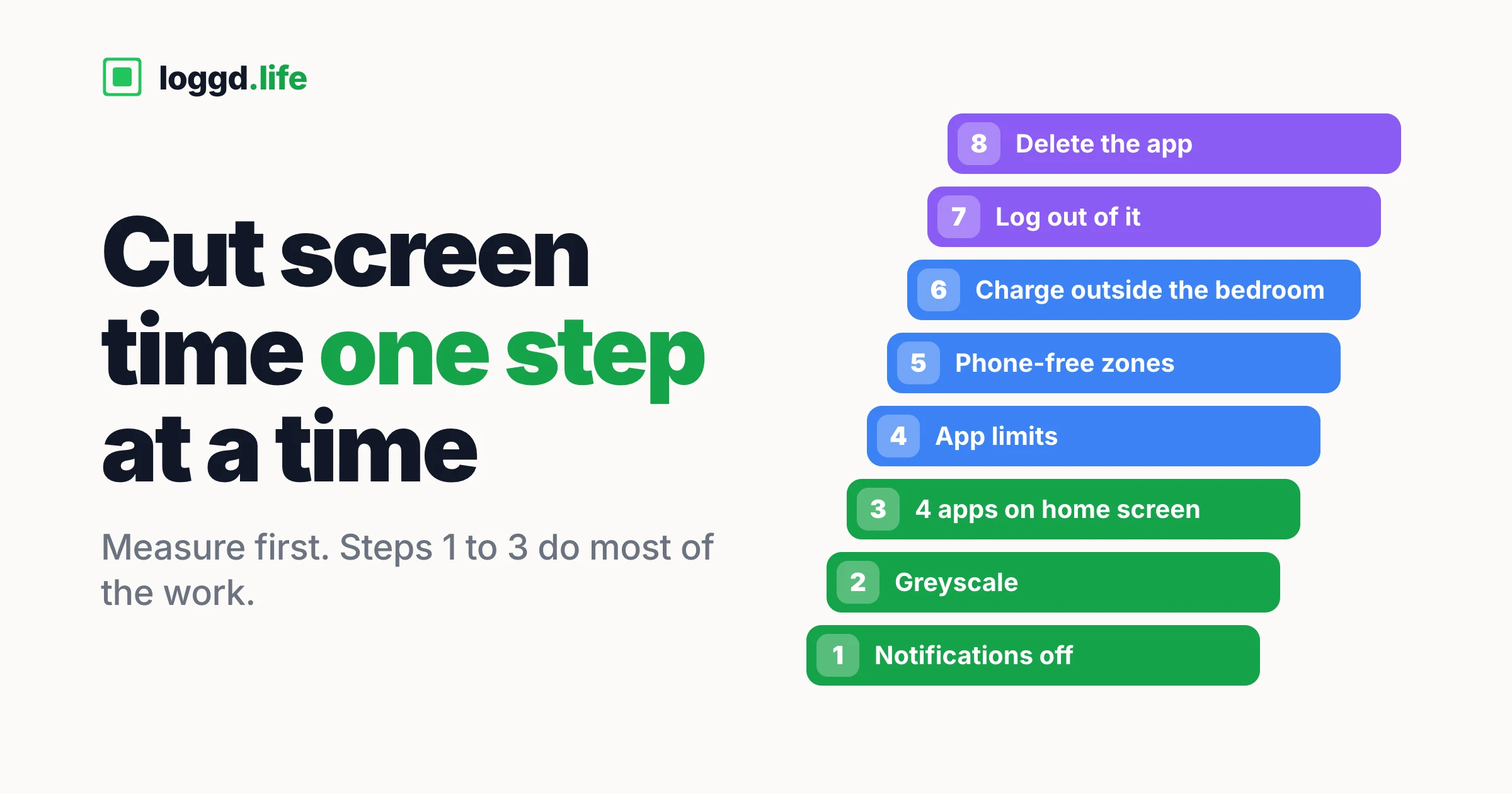
Screen time is a crude metric, so start by measuring your own baseline and setting a target you can check yes or no. Then climb the friction ladder, cheapest rung first.
Practical guides for building habits, planning your week, and actually following through.
Screen time is a crude metric, so start by measuring your own baseline and setting a target you can check yes or no. Then climb the friction ladder, cheapest rung first.
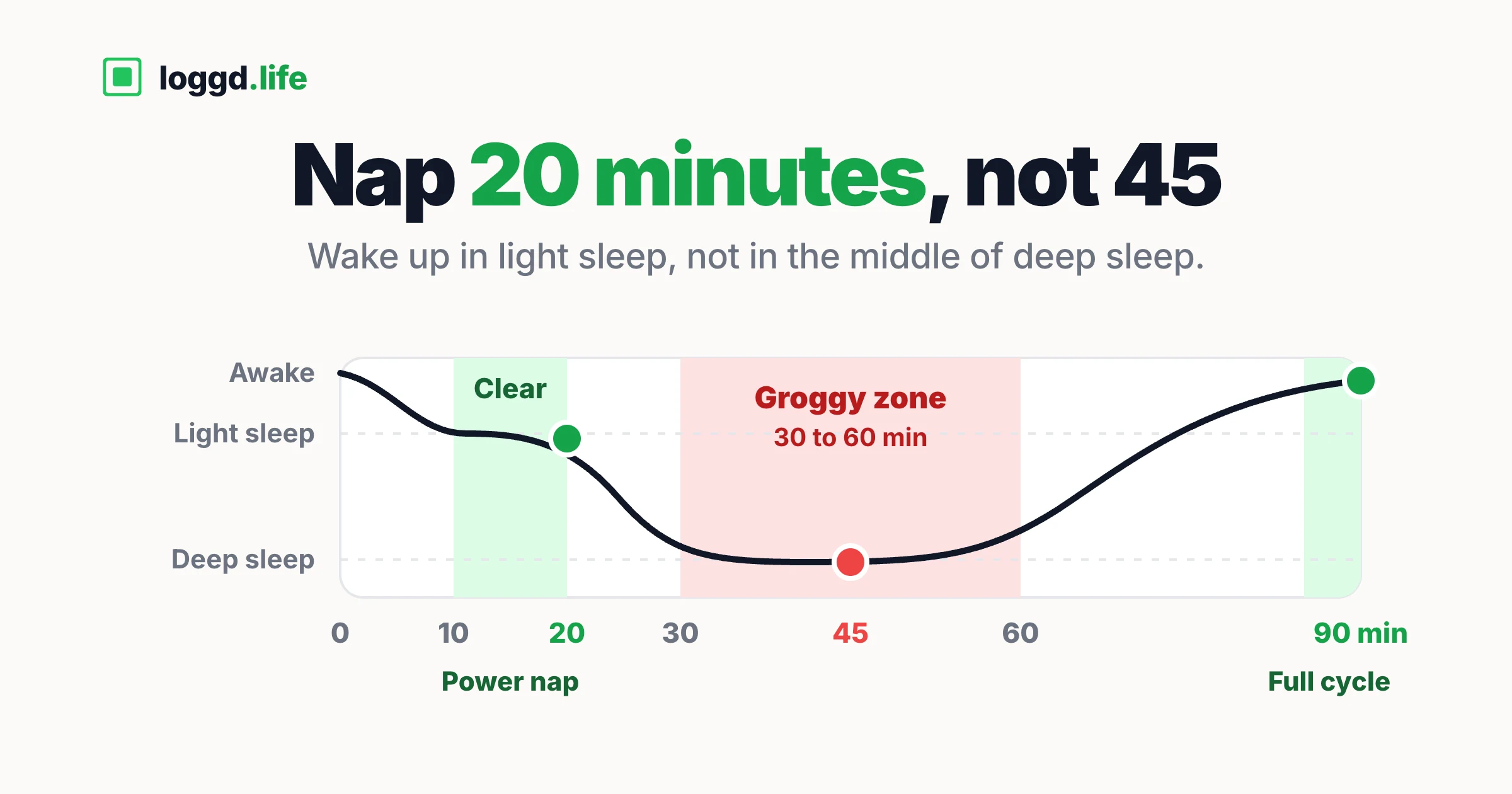
Roughly 10 to 20 minutes for alertness without grogginess. Why the 30 to 60 minute nap is the trap, when 90 minutes is right, and who should skip napping.
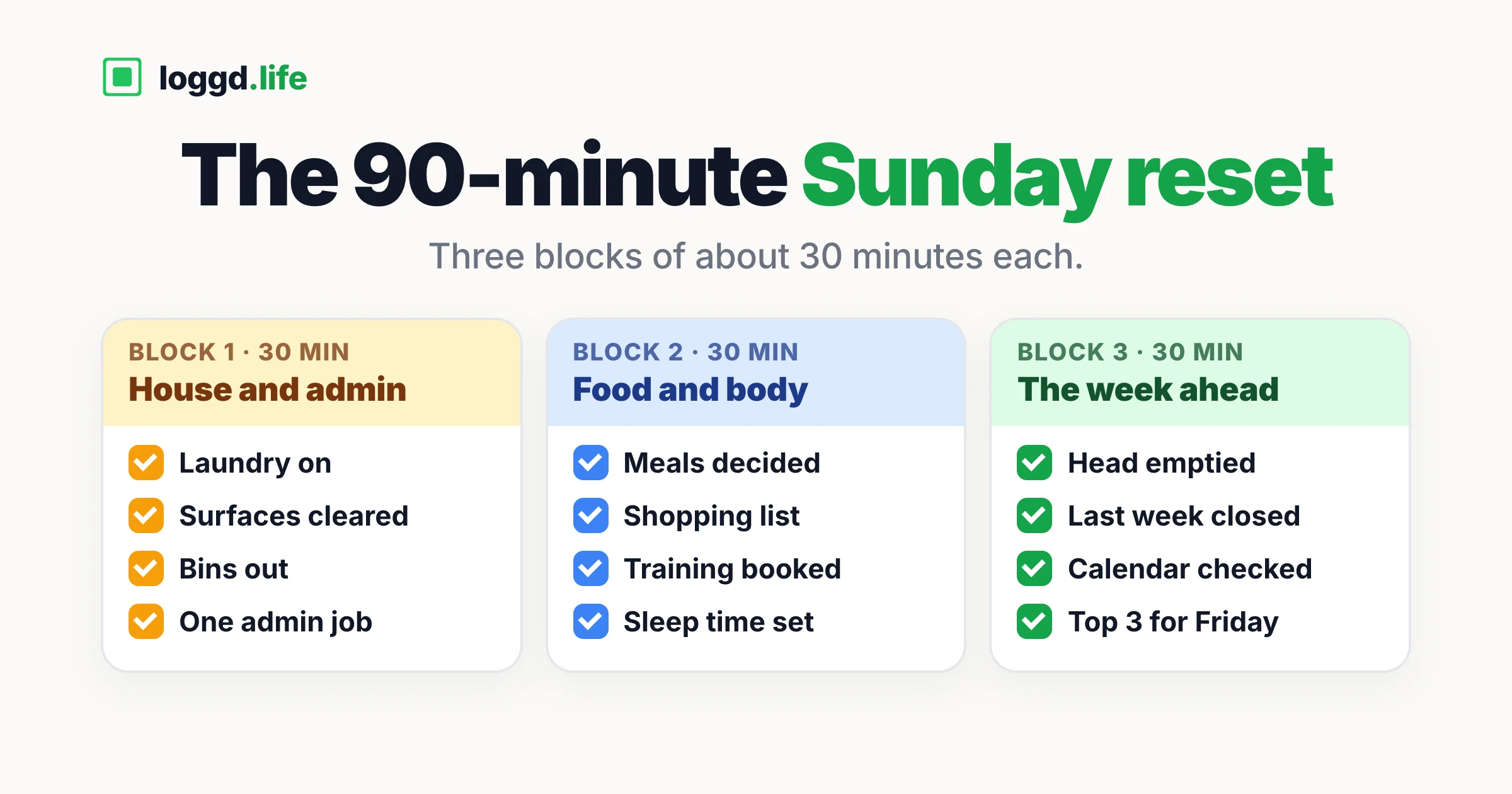
Three blocks of roughly 30 minutes: house and admin, food and body, then the week ahead. Plus the 30-minute version you fall back to on a bad Sunday.
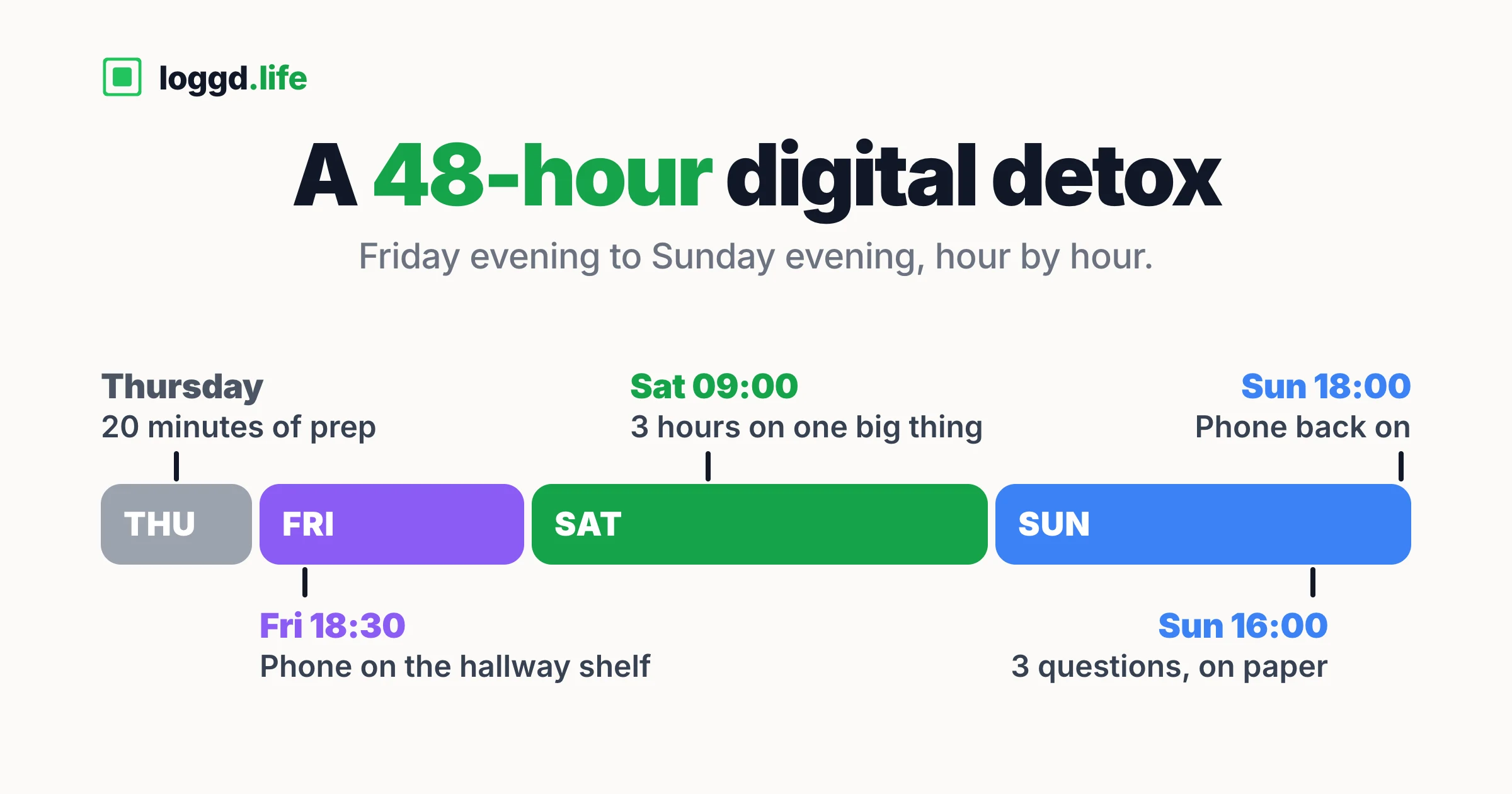
A 48-hour digital detox plan from Friday evening to Sunday evening, written for someone with a normal life: the Thursday prep, the carve-outs, and the restless first night.
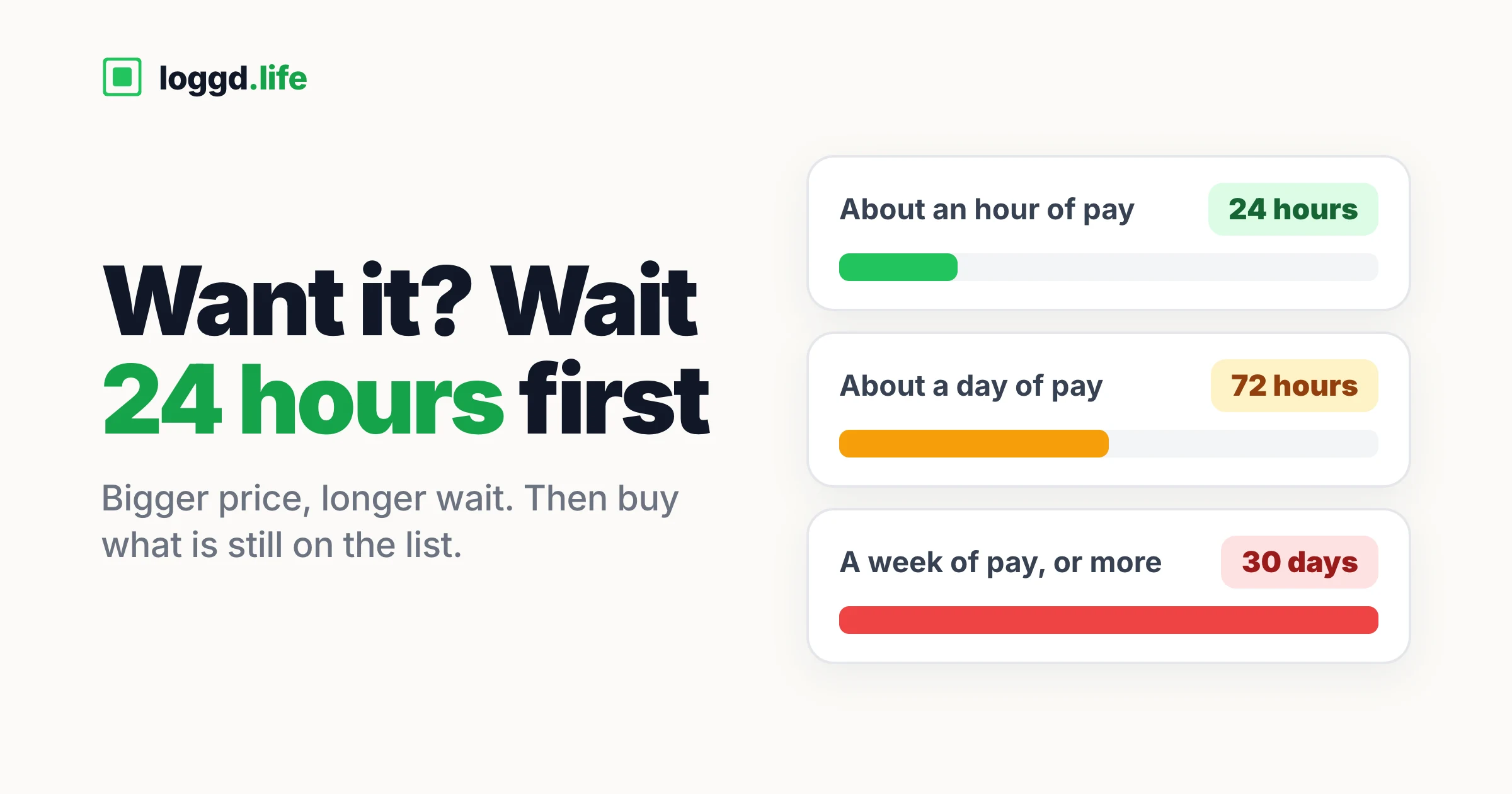
Why a waiting period works, how to pick 24 hours, 72 hours or 30 days by price band, and how to run the pause so the list does not quietly become a shopping cart.
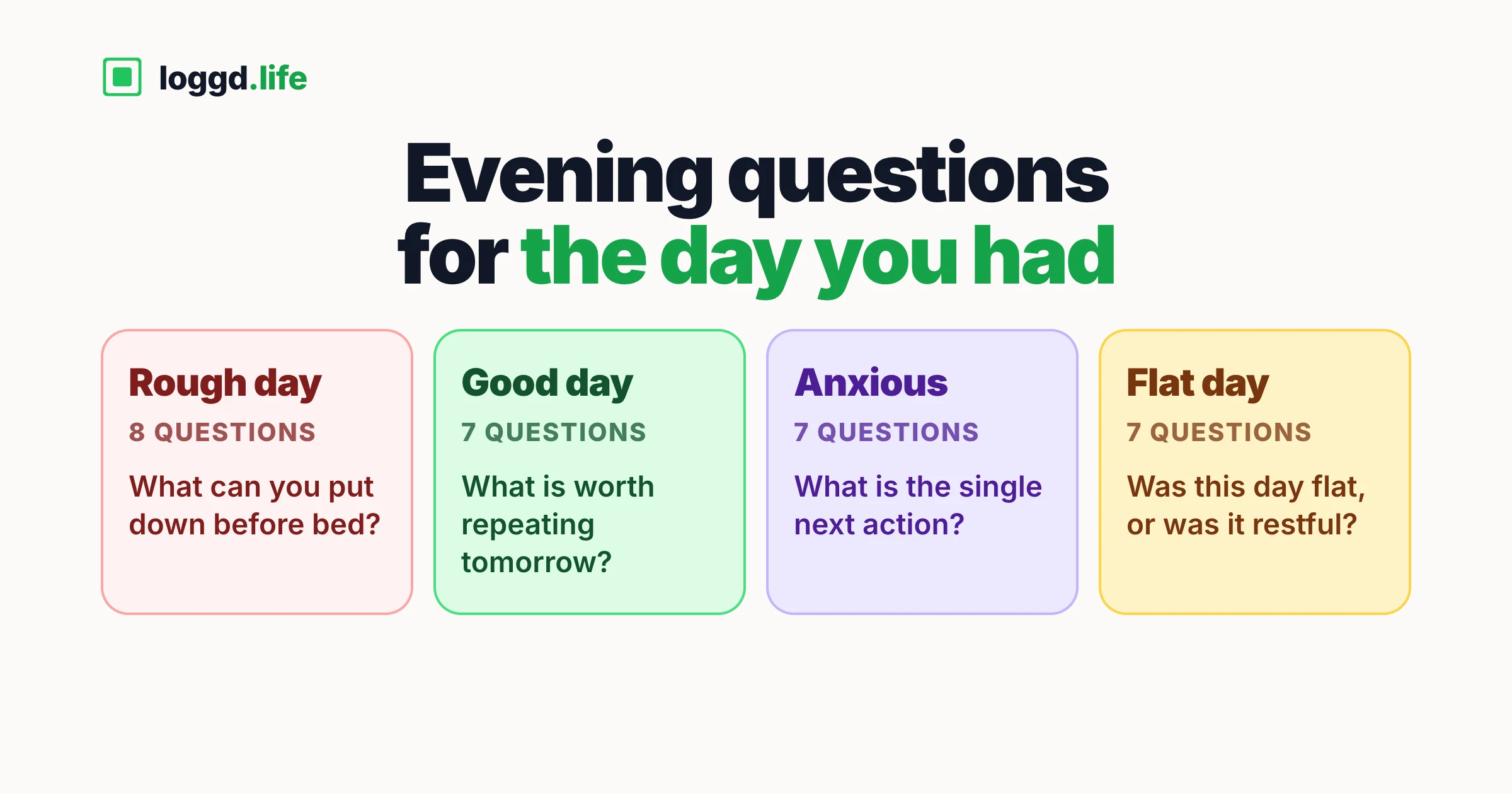
Most prompt lists assume every evening is the same. These 40 questions are sorted by the day you actually had, with a three-question floor for the nights you have nothing left.
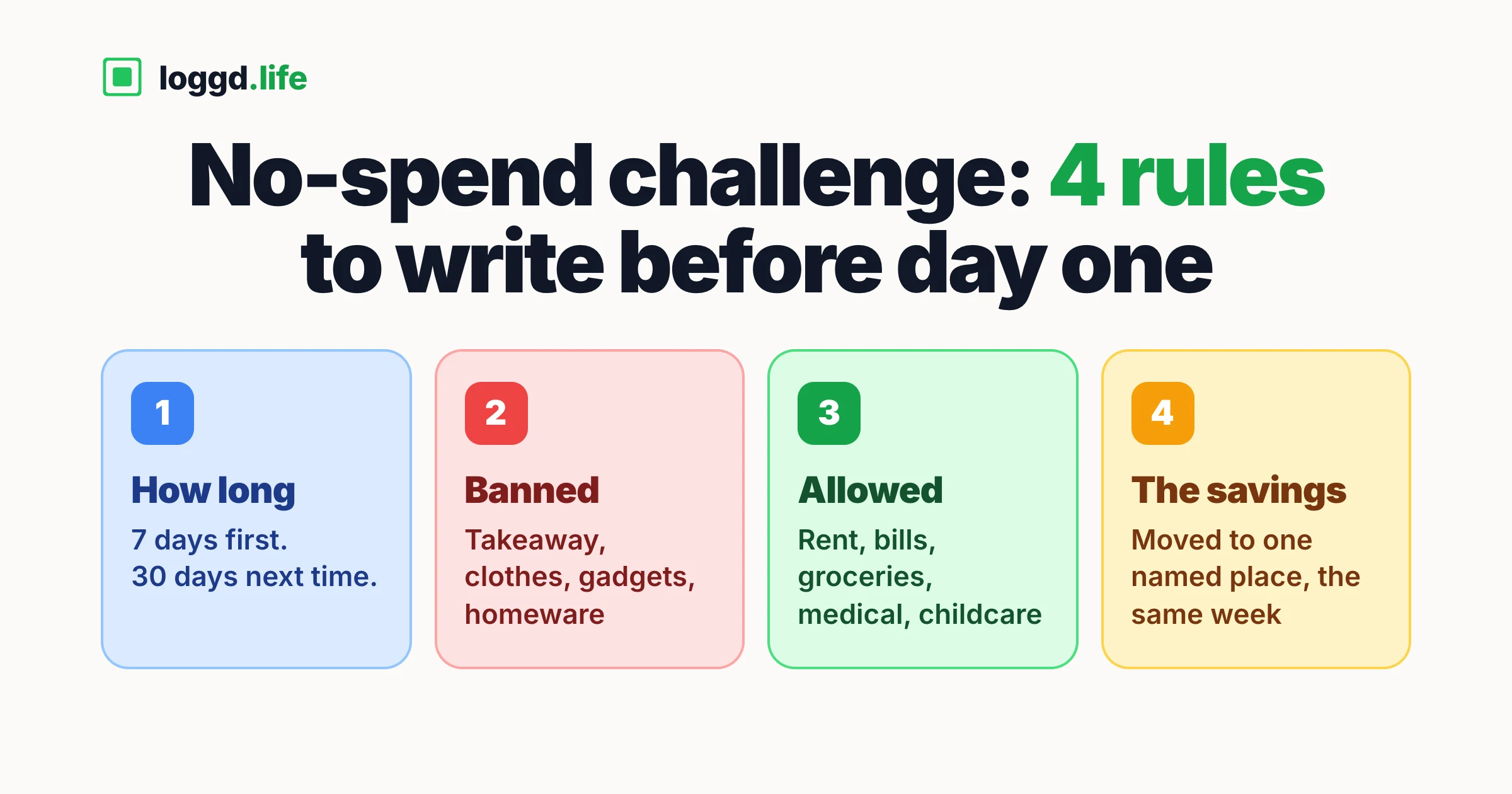
The rules that decide whether a no-spend challenge survives: duration, banned categories, a written exceptions list, and where the saved money actually goes.
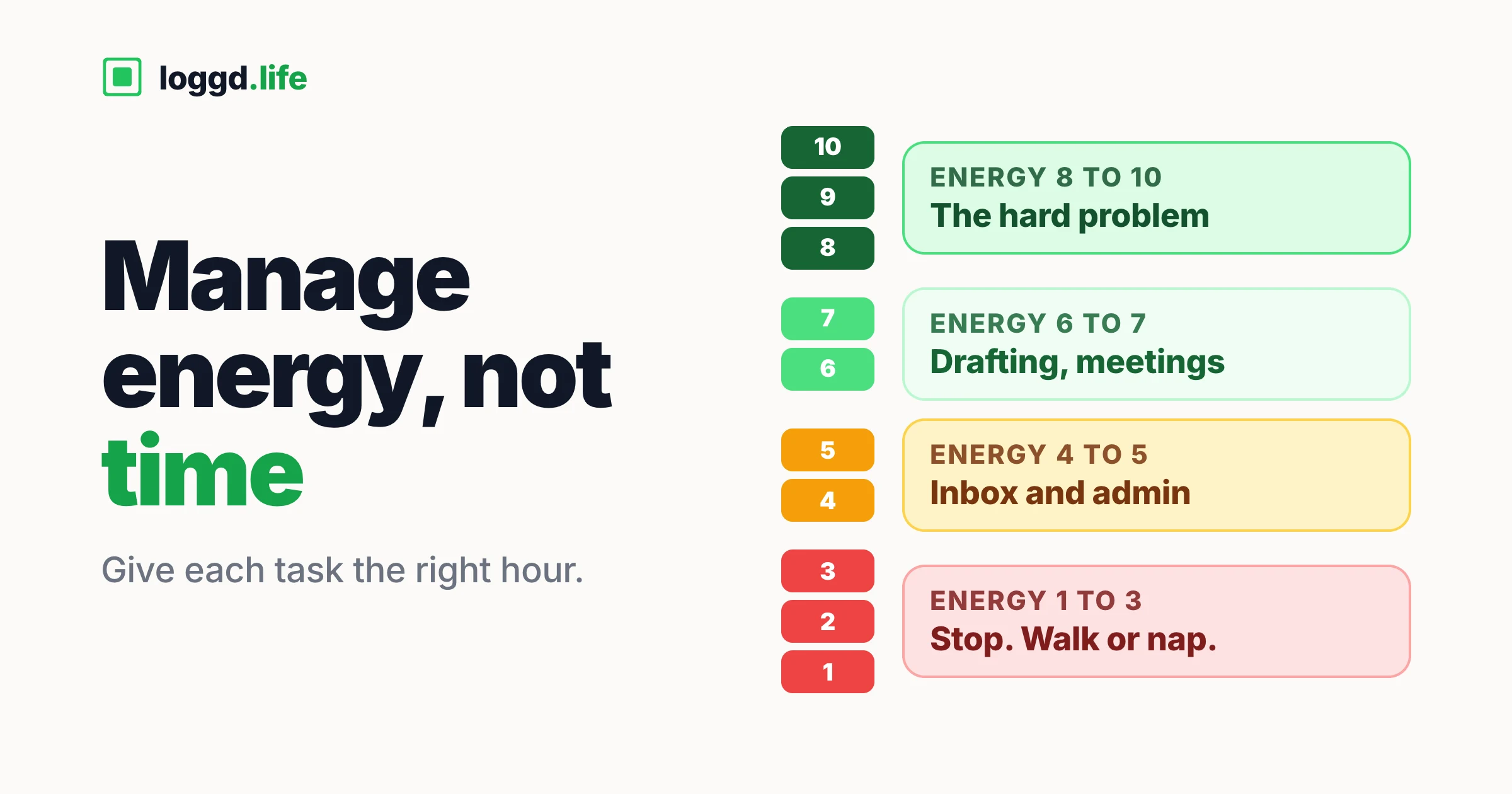
An hour at 20 percent capacity is not an hour. Rate your energy hourly for a week, find your real peaks and your trough, then match task difficulty to level.
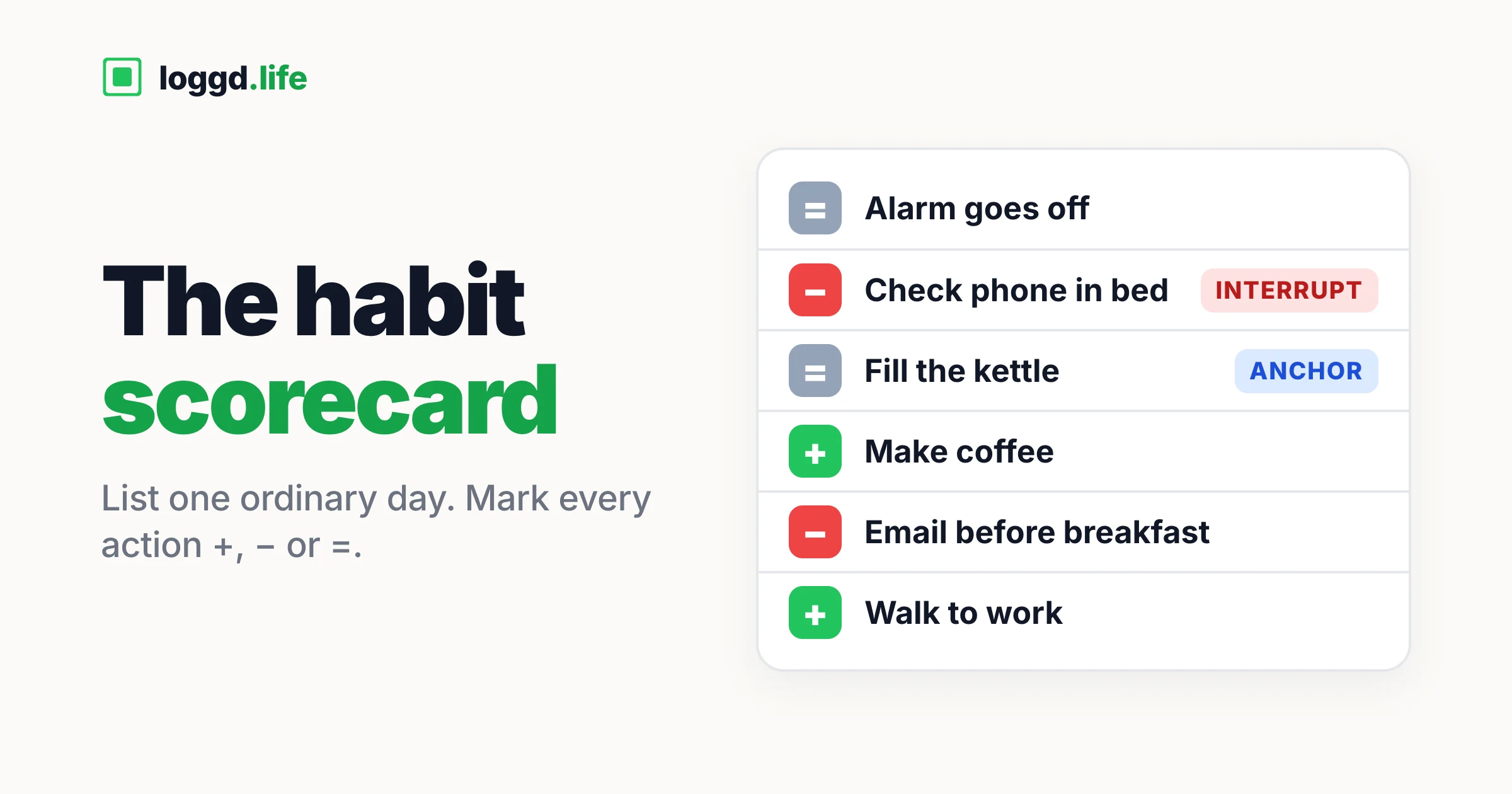
List every action in one normal day, then mark each one plus, minus or equals. How to run it without editing yourself, what to do with the result, and when it lies.
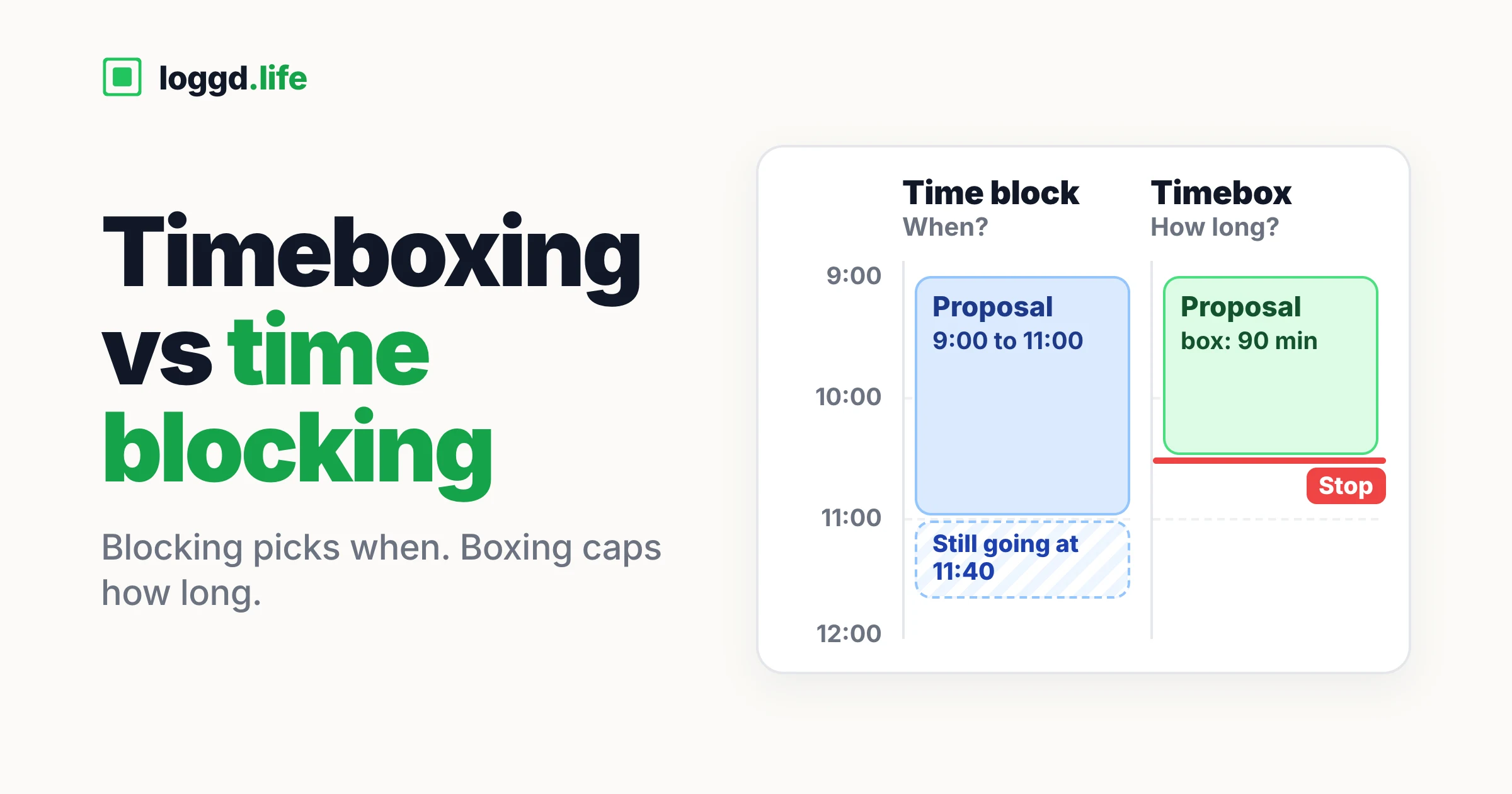
Blocking answers when you will do something. Boxing sets a hard ceiling on how long it gets. Here is the clean distinction, plus batching and day theming.
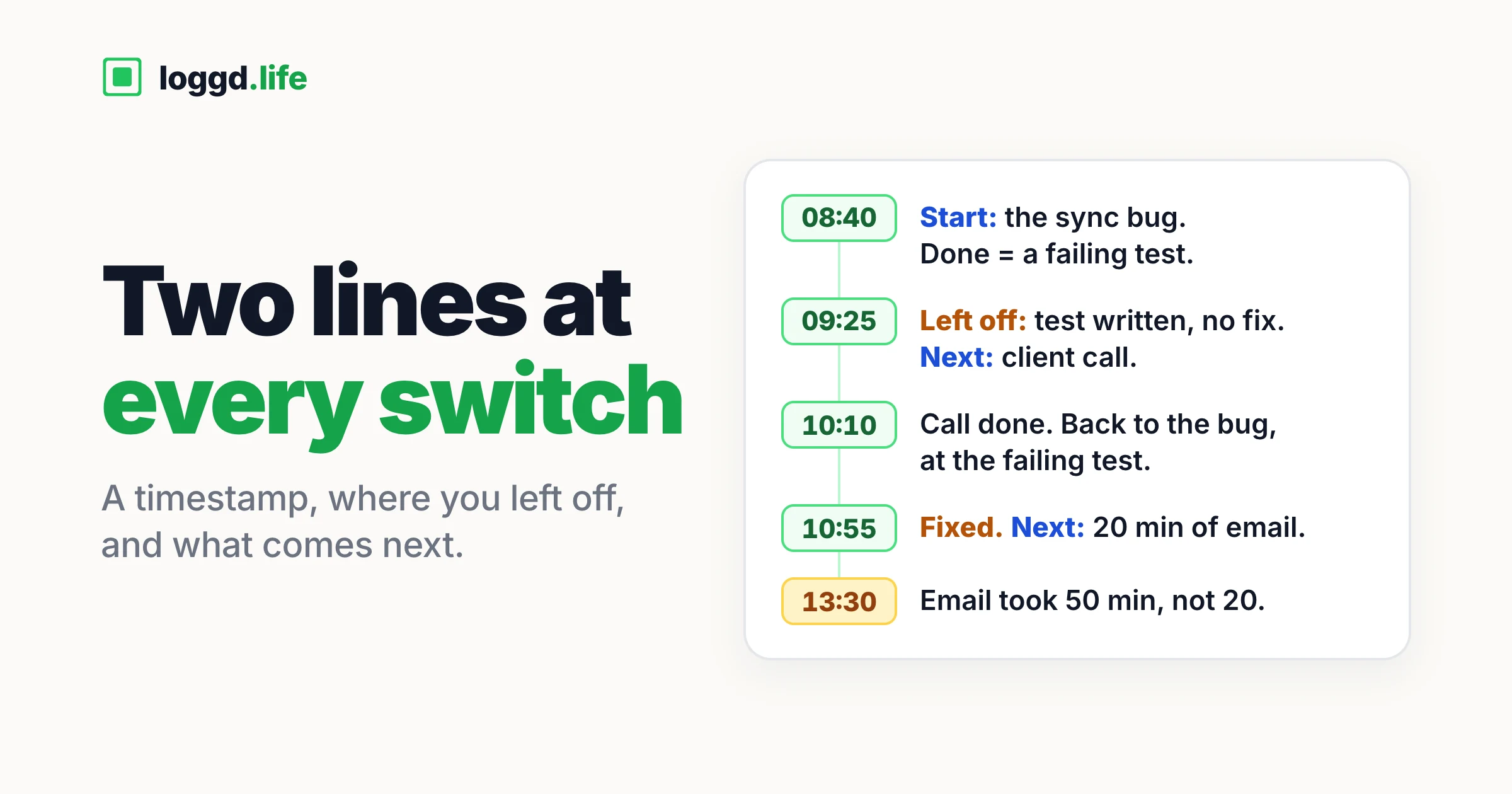
Write a timestamp and two or three lines every time you change tasks. It gives attention residue somewhere to go, and it quietly produces a time log you did not have to keep.
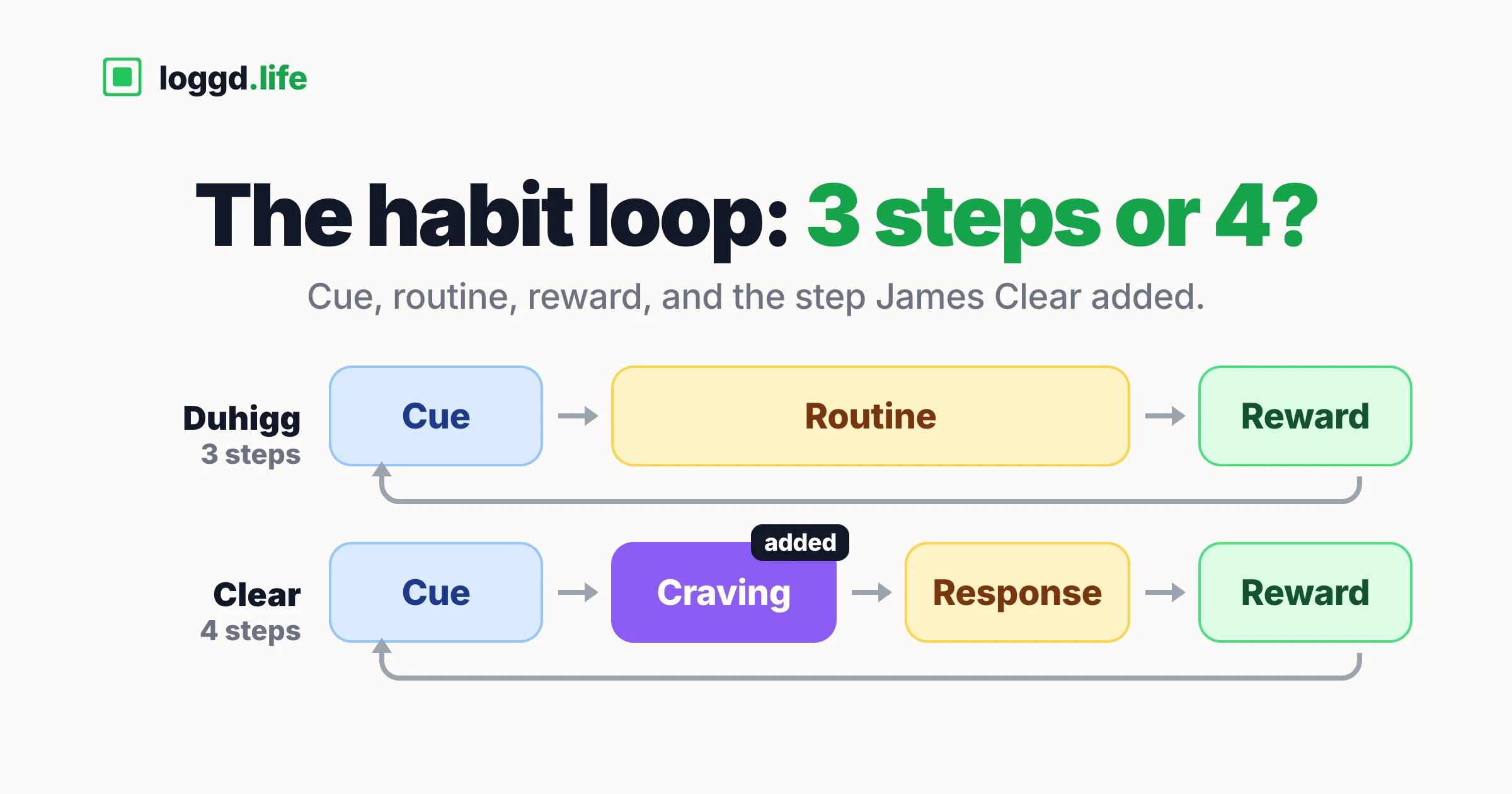
Duhigg splits a habit into three parts, Clear into four. Here is what actually differs, how to find your own cue and real reward, and two worked examples.
No posts match ""
Track habits, manage tasks, set goals, and level up with gamification. All in one free app.
Start Free